Gratitude: why it matters more than ever

Since starting the blog, it has encouraged my own learning journey, essentially the search for insights, knowledge, tools, and resources to help me be and do better in life. Whether that’s dealing with stress, developing time management skills, increasing my mental and physical strength, improving my food and nutrition, or even personal finance. It all comes down to one fact, I want to be the best version of myself that I can be. And of course, by being open and honest about what I go through, I hope to inspire others to do the same. That leads me to today’s ponder. It’s all about gratitude; what it is, why we should practice it daily, and how.

Gratitude: what is it really?

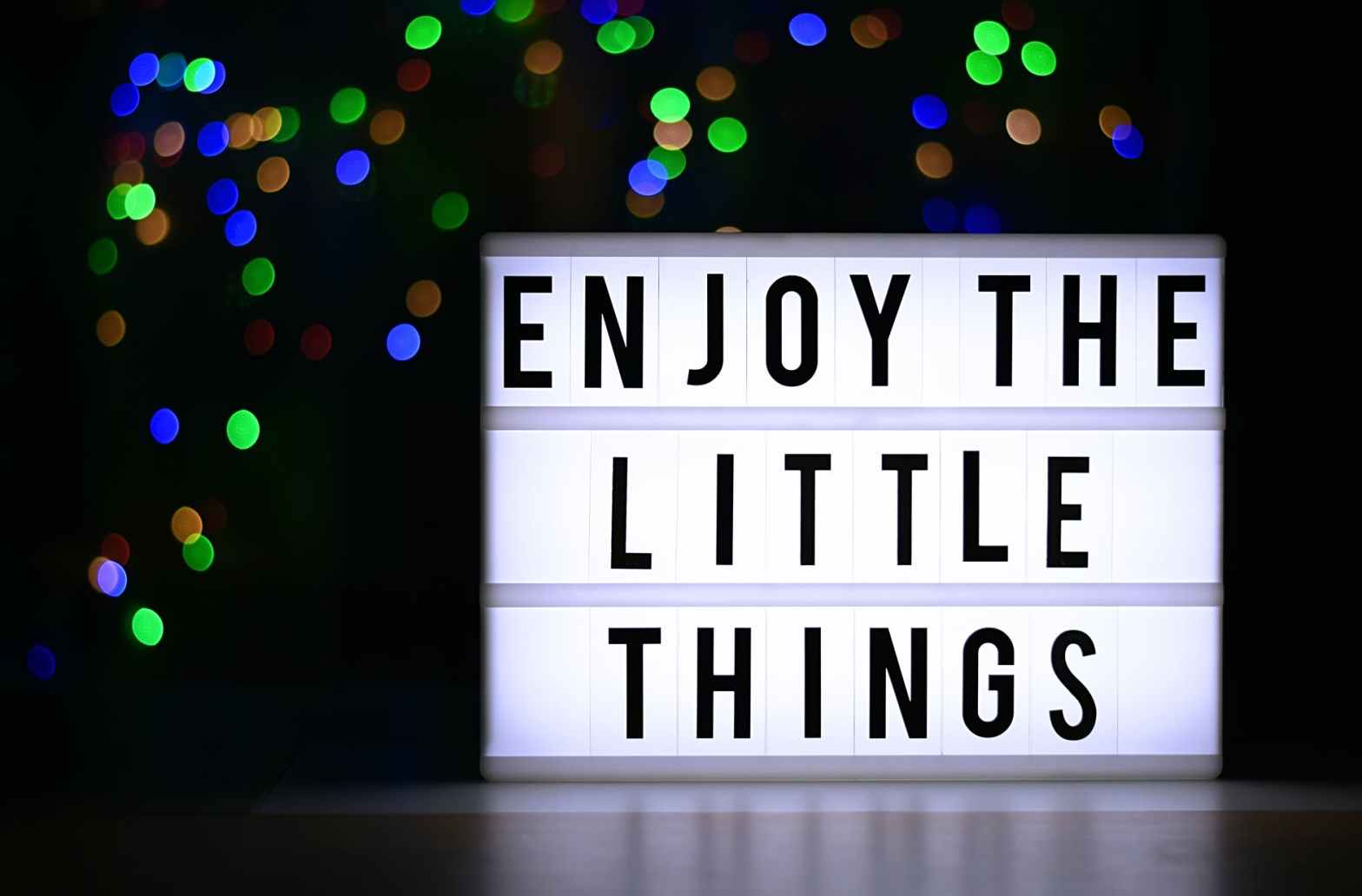
This may be common sense for some, but as I’m sure many of you will be aware, common sense isn’t actually that common. So, we’ll start at the beginning. Gratitude, the way I see it anyway, is being grateful. Not just in a passive or generalised way but being active in paying attention and wholly appreciating what you see, think, feel, and have in your life. It’s about seeing the beauty and appreciation in the small moments. It could be feeling the sun on your face, or a cuddle with a pet. It could be the support from friends and/or family. Even light bulb moments when a student shows what they’ve learned.

Take a moment to think of something from your past that you are grateful for. Truly grateful for.

If you feel comfortable, post a comment, and share that gratitude.

Why should we practice daily gratitude?

For me, as someone who twelve weeks ago did not practice daily gratitude, I’ve got to say it’s a bit of a life changer. For a habit that is so small it really makes the world of difference. Especially if the worries of the world feel overwhelming. Practicing each day can take as little or as long as you want to dedicate to it. When I’m practicing, I set aside half an hour in the evening, and I write it all down. It keeps me connected to the here and now and helps me to build real appreciation for both the small and big moments. It keeps me grounded and reminds me that there is good in the world.

How can we practice gratitude in the day to day?

It goes without saying, I’m only writing this from my own experience. But this is what I’ve found helpful. At the moment there are two things that I’m doing. Firstly, I’m writing down 3-4 things that are ‘wins’ for the day and I also write down 4-5 things that I’m grateful for from the day.

The wins can be anything that I’m proud of. One day that could be ‘got out of bed’ or ‘did a load of washing’. Or it could be ‘got through some marking’ or ‘did some research’, even celebrating things like mindfulness, exercise, or my personal favourite, hitting my water intake. I’ve always had a bother drinking water on its own. Ever since I was little, so hitting the 1.5-2l mark is always a big win.

With regards to gratitude, that can be anything too. I’m continually grateful for things like my partner, my cat, my family, rides on the motorbike, fun classes with students, colleagues, the list goes on. But when I’m writing it down each day, I’m more specific with the gratitude. For example, I’ll ask, what was it about my colleagues that make me feel grateful for them today. Or if it’s my cat, what happened that made me feel that gratitude. I find the more specific I am, the deeper the gratitude.

For example, today my wins are…

  1. I made Lasagne from scratch for dinner. It was immense.
  2. I got out for some exercise – a wee hill climb.
  3. I got to spend quality time with people I love.

My gratitude list for today is…

  1. I’m grateful for the sunny weather today. It meant I got to sit in the conservatory which is my favourite room in the house.
  2. I’m grateful for my body. This body got my up the hill today.
  3. I’m grateful for my parents. They are my rocks, and I’m grateful that I get to see and speak to them at the drop of a hat.

These will all be written into my bullet journal before I go to sleep.

The thing I’ve found most interesting about practicing daily gratitude, it that I’m a) more aware of what I’m grateful for and b) I’m actively looking for things to be grateful for through the day. These combined have brought me a greater attention to detail and helped me to develop skills that allow me to be in the moment. There is kindness, goodness, and wholesomeness present. You just need to be looking out for it.

Being in the moment… that’s a blog for another day.

As we head to the end of today’s ponder, here is the takeaway task…

For the next three days, each evening write down, or take a note in your phone of three things you’re grateful for each day.

It might be hard but stick with it! At the end of the three days, note how you feel.

Let me know how you get on!

If you’ve made it to the end, well done. I know for some this will be too much into wanky territory, but I swear it’s been a game changer for me, and as always if I can help someone else change their game – I’m here for it!

This has been a SmartPonder.
Thanks for reading.

Steph x
Back to Basics: A health overhaul.

We are getting real today, ponderers. Not that we aren’t real in all the other blogs, but we’re heading into deep chats about food, nutrition, binge eating, and general pressures around weight and obesity. If that’s not for you, no worries. I want to chat about where I am at the moment with my health. I know I’ve spoken a little about my ME and what it’s like having a chronic illness, but this time I want to talk about mindset, and food. So, buckle up my friends.

For those of you that follow me on my socials @smartponders, you’ll know I’ve recently started to have an overhaul of my eating habits. I want to talk about weight, the mental and physical health implications, and what I’m doing about it all. It’s not designed to be preachy or anything like that, but I hope that it will resonate with some of you out there, as a gentle reminder that a) you’re not alone and b) you’re playing the long game.

Let me set the scene. I have always been “overweight”. It has been to varying degrees, but it has always been there from primary school, secondary, through my teens, into my twenties and now in my thirties. The reason I’ve put overweight into quotation marks, is because as I look back overweight in my late teens, was fourteen and a half stone, versus now, in my thirties when I’m just over twenty stone. Overweight regardless but to differing degrees. I want to clarify that I believe, and so does science, that you can be healthy and overweight. However, we live in a society where beauty as a standard and being overweight fail to go hand in hand. Looking on social media shows as much. Although that’s a whole other kettle of fish for another day. Back to the here and now. For example, in my late teens, I was at the gym five days a week for an hour or so at a time. I had two jobs, and a social life *this was pre-ME. At 5ft 8ins, fourteen and a half stone is overweight, but I believe I was healthy.

Fast forward now, and not so much. The thing about weight gain is if you’re not paying attention to what you’re eating on a day-to-day basis, like me, you’re not going to notice the gain happening. The gain can appear to happen quickly but as with weight loss, it’s a bit of a process. You may even see it happening but don’t have the energy or mindset to intervene. Been there many a time too.

Over the years, I’ve done diets and increased exercise and each time would have some success, (sixteen stone being my lightest back in 2015) but then when it came to maintaining, the habits crept back in and before I knew it, I’d be heavier than when I started. I did meal replacements, and I did slimming clubs, but the success was always short lived. And recently, I think I’ve found out why. I just didn’t care enough.

What I mean by that is I wanted to lose the weight sure, but I wanted a quick fix. I didn’t want to play the long game. The long game meaning my life. Each time I embarked on a diet, I always had a goal weight in mind, but not enough vision to see (and believe) that I’d get to the goal, and beyond it. Not once did I get to any of the goal weights I’d set. I had moments of obsession when I’d step on the scales on weigh day and it hadn’t moved, then beat myself up myself for not achieving a loss, thus causing stress, and then cue binge eat. Diet ruined. Back to square -1. A vicious cycle.

Three things here.

  1. My health and weight are defined by more than just one number on a scale.
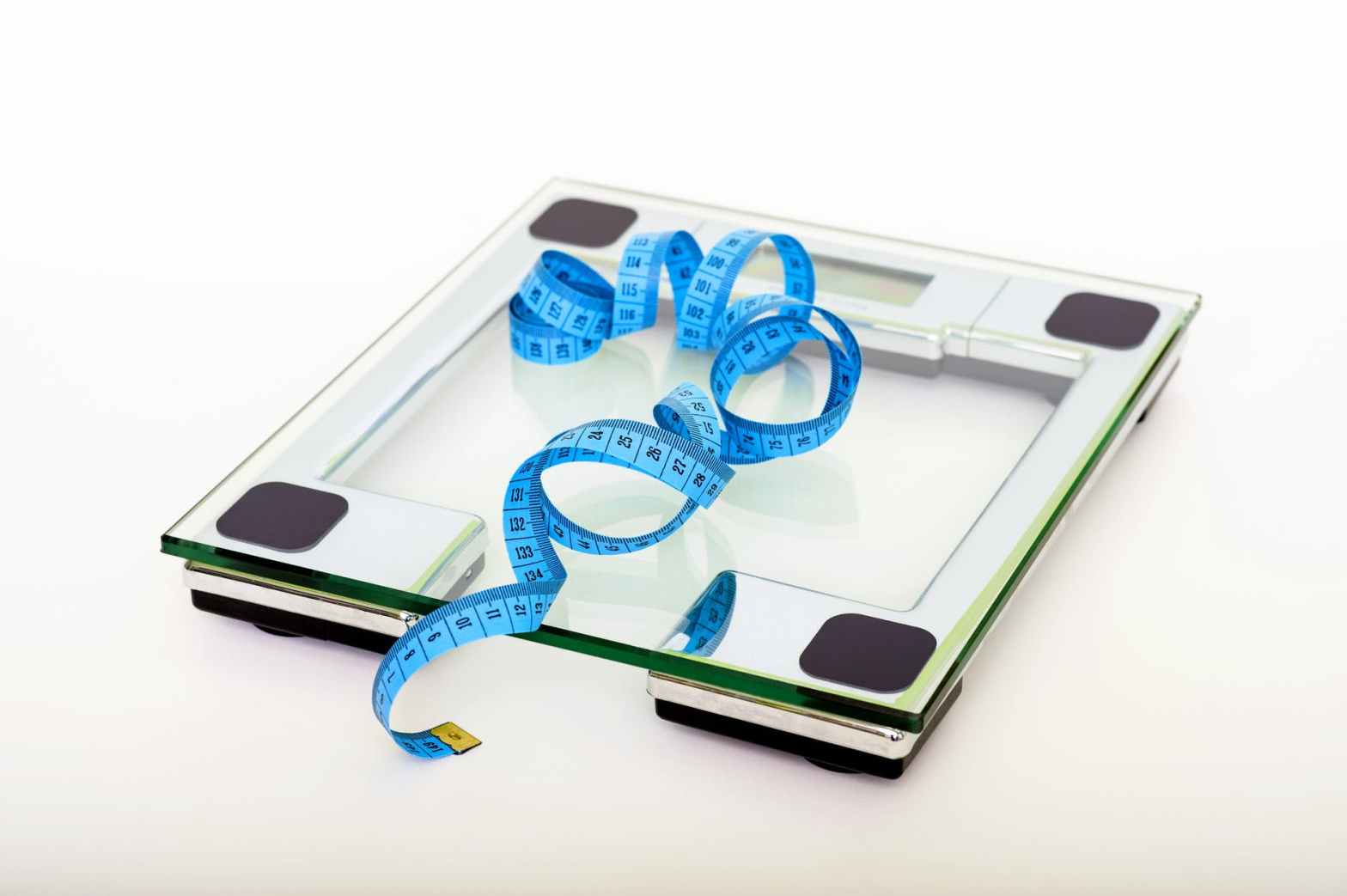
    I have a set of scales that measures weight, body fat %, water levels, protein levels, body mass index, muscle mass, visceral fat, subcutaneous fat etc. I find this gives a much greater overview of my health. For example, the weight might not change, but the muscle mass does.
  2. I didn’t have the right mindset at the time of doing any of the diets. I didn’t believe I could so my heart just wasn’t in it.
  3. There was too much pressure when I did. The pressure coming from myself mostly.

Does this resonate with you? How have you managed it?

Are you on a health and fitness journey? What are you targets?

What’s your experience?

Post a comment

Here’s why this time I believe it’s going to be different.

Firstly, I’m not doing a diet. I’ve gone right back to teaching myself about nutrition, about calorie intakes, and home cooking. Traditionally, I dislike cooking. I can cook, it’s just never been something I’ve enjoyed. Yet of late, whilst I’m not saying I’m going to enter MasterChef anytime soon, it’s become tolerable, cooking new meals, and trying new things out. I’m using MyFitness Pal as a tracker. My target calorie intake is between 1400-1600. But I’m not strict with it in the sense of berating myself for going over because I’m playing a long game. This is my life and I’m at the point where I know I need take back accountability for myself. I’m showing up for me. I am focussing on what I’m eating and paying attention to the macros in my eating choices. Again, not to obsess, but to try and love and nourish my body like I should have been doing. That sounded wanky, didn’t in? Moving on…

Secondly, I’m also intermittent fasting. There is a myth out there that not having breakfast is bad for you. Actually, there is quite a bit that can be gained from it. With intermittent fasting, it’s a lifestyle choice, not a fad, or a quick fix. (Although hands up – in the past I have used it like that.) I stop eating somewhere between 7-8pm at night, and then won’t eat until 11-12noon the next day. I have a sixteen-hour fasting period, with an eight-hour eating window. The difference in my energy levels (which let’s face it, is of utmost importance!) is huge. I’ve dipped in and out of IF in the past and I have always felt better on it. But as a stress eater, and of the mentality (in the past) of one bad day and it’s all ruined, I’d end up being back where I started. With previous IFs I wasn’t tracking my calories. That’s what’s different. The thing about weight is that to lose it, you need to be in a deficit with what goes in, versus what goes out. I hardly was. Unlike now. I should also state, I know there will be people out there who’s ability to lose weight is hampered by health conditions too. I’m all too aware that it isn’t always simple. As much as society would have us believe.

The other thing that is different is my mindset. My belief. I’m not sure how to articulate it fully, but I’ll try. It’s like I believe now. I believe in my ability to become healthier and fitter, rather than fighting the little devil on my shoulder that says things like “you’ve not be successful before, why should this be different? Why bother?”. But that devil isn’t there. Not only that, I also feel I’m in the right emotional and mental head space for the change. I have clothes in my wardrobe that I haven’t worn in years. I’ve got biking gear that is the largest size I can get that pinch. I’m out of breath climbing the stairs.

My goal is to be healthier. That’s what it comes down to. I know it won’t happen overnight, and I don’t want it to either. I know there will be days that are harder than others, and that’s ok. It doesn’t mean I give up. Part of the SmartPonders content online, will be tracking this journey. Keeping a reference point for those days, that come that are hard. I can look back and remind myself of why I’m on the journey in the first place and how far I’ve come. Do keep an eye out on the SmartPonders Instagram and Facebook page.

It is still early days, but for reference, I started on Wednesday the 9th of March 2022 – who says you have to start on a Monday… and at my first week weigh in, I lost three lbs. Updates as I said, will be on the Instagram and Facebook page.

My body is an incredible thing. Like yours. It keeps me breathing. It keeps me alive. It keeps me connected to people and places. It’s fought for me on more occasions that I can count, and it still shows up for me. Even when in the past, my mind hasn’t met it in the middle. I want to change that. And as that famous Chinese proverb states,

The journey of a thousand miles, begins with a single step.

Tao Teh Ching, Lao Tzu.

This has been a SmartPonders.
Thanks for Reading.
Steph x

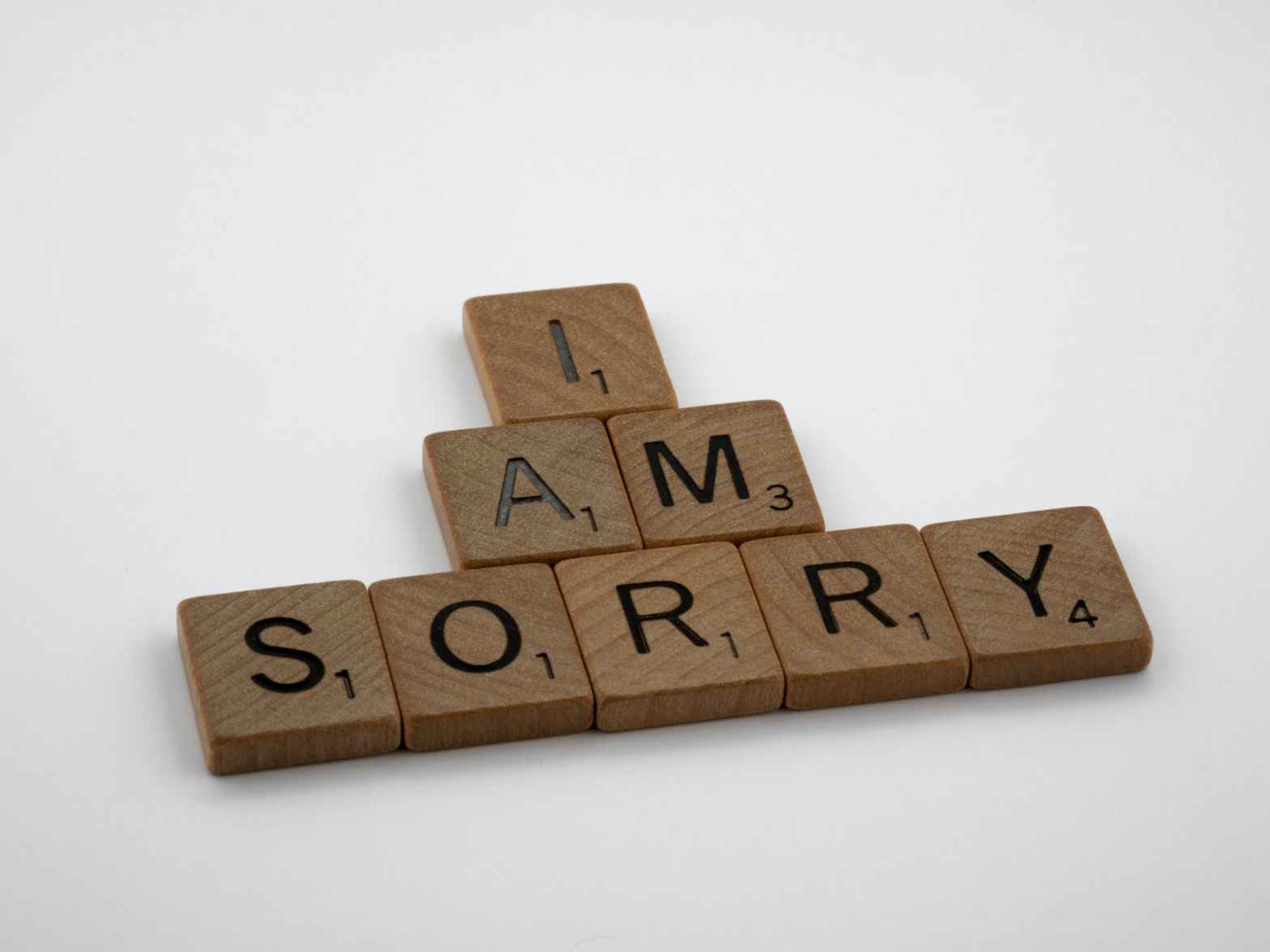
The Power of ‘Sorry’.

Not so long ago on campus I was teaching a 4th year class where we were discussing learning, communication, and accountability. In this class, we were looking at Bloom’s Taxonomy with the aim to introduce students on how to create lesson aims and learning objectives. For context the students are working with an external client to provide a workshop using drama for health and well-being.

The students were asked to create a task for the other students to complete using one of the words from the taxonomy, to help articulate the aims of the activity. The words are categorised into knowledge, comprehension, application, analysis, synthesis, and evaluation. Within the categories there are verbs for specific aims. Such as in knowledge, a verb would be describe. For Comprehension it could be discuss. For application, perform, for analyse it could be explore, and so on.

In doing so we got on to the topic of an apparent shift in societal relationships with saying ‘sorry’. There are discussions at the moment where people are opting to not say sorry in certain situations. Ultimately saying sorry less.

For example, rather than say “sorry I’m late.” You would say “thank you for waiting.” This is something that I have done in the past but in discussing with students, I won’t do anymore. Here are the reasons why.

In my mind, by saying “thank you for waiting” I thought I was doing good, so to speak, as I was acknowledging the students were waiting. However, in doing that, I don’t acknowledge my error. The fact I’m late. The fact that my actions have made my students have to wait. There is no accountability of self. This is why I now say, sorry for my lateness (on the occasions that it happens!) AND thank you for waiting.

Another example along the same thread is when someone, as a way of apology, following a mistake or argument, says “I’m sorry you feel that way” rather than have the acknowledgment that they made the person feel that way. “I’m sorry my actions made you feel that way.” The first one mitigates the accountability. Now I know some of you may think “ah but I didn’t do anything wrong.” Or “other’s feelings aren’t my responsibility” and you’re right to a degree. You may not have thought you’ve done anything wrong, or you’ve not intended to upset, offend etc, but my thinking is, if someone comes to you with their feelings, you have a choice as to how you respond. I should say, this is all judged on a case by case. I think it comes down to two things, accountability, and validation.

For example, if a student comes to me and says, “I’m upset over a mark you’ve given me” my response is “I’m sorry that the mark I’ve given to you has made you feel upset.” Then go on to explain the reasons why. I don’t want to invalidate what they are feeling.

I believe it’s so important to be able to be accountable for our own actions. After all that is one of the few things we can control. We can’t control what others think, what others feel, or how others respond. But we can control our own actions and responses.

Maybe part of the challenge with all of this is how difficult it can be to say sorry, or to apologise. So, I’ve whittled it down to the following reasons of why I think it might be difficult.

  • Is it fear that the apology will be rejected? The person apologising won’t be forgiven. Let’s face it, no one likes rejection!
  • Is it a power thing? The person who needs to apologise may feel that in doing so they lose status or power.
  • Is it a vulnerability thing? Similar to the above, the person apologising is unable to feel that exposed. This links in with ideas around feeling embarrassed or ashamed of their actions in the first place, so the apology seems even harder.
  • Is it that people are just unable to say sorry because they feel inadequate in doing so? It highlights their failings and/or mistakes.
  • Is it a denial thing? If the person doesn’t say sorry, then they haven’t done anything wrong. If there is no admission of guilt, then there is no need for accountability.

I remember a drama teacher of mine back in my undergrad days saying, “sometimes you just have to fall on your own sword”. Meaning that when it comes to apologising, it’s not always about you as the apologiser. It’s just as much about the other person who needs the apology. In this context, I was doing some filming for a project and was permitted access on a weekend to an office. I was new at the whole filming thing, but myself at the cast and crew (approx. 12 of us) got on with our day. We had moved things about, and we all worked together to make sure things were back in the right place. I took the word of everyone there that things were good. When I got back to uni on Monday, I had a very angry email from one of the lecturers in the office who reported that things were missing from their desk. I felt sure things were back where they should have been. However, after much back and fore, I had to acknowledge that me not checking everything had caused the issue. So I put my hands up and said sorry. She found the things she thought were lost later in the day. They had been placed on another desk. And that was the end of it.

So, that’s what I mean. Falling on your own sword. Sometimes you just have to put your hands up and say, yup – it was my fault. And in my opinion, with all mistakes, as long as you don’t repeat them and learn from them, it shouldn’t (in an ideal world) cause that much stress.

Do you struggle to say sorry? Do you know why?

Have you found it difficult to say in the past?

Post a comment and let me know.

As always would love to hear what your ponders are on today’s blog. Feel free to post a comment, and if you’d be so kind, pop over to the socials and give a wee follow and a like. It’s greatly appreciated! You can also let me know if you have a ponder topic, you’d like me to write about. Suggestions are always welcome!

This has been a SmartPonders.
Thanks for reading.
Steph x

Spoons and Sleep: living with a chronic condition

It’s been three weeks since I’ve managed to write anything for SmartPonders. Not because the ideas haven’t been there – they have! You should see the drafts folder. But rather because of the pesky chronic illness I have. Those of you who have been following from the start will know all about it – especially if you’ve read the blog Overcoming Adversity. If you haven’t, I’d suggest giving it a wee read, as it will provide some context to this ponder. Essentially, I have ME (Myalgic Encephalomyelitis). I’m one of the lucky ones in the sense that over the years I’ve learned to manage it reasonably well. I’m still affected day to day, but I usually manage to get by, and usually manage to mitigate most ‘flares’ before they occur. Usually. There are always those times that no matter how hard I try, the flare will come regardless, and it’s not pretty.

As I’m setting out to write this ponder, the aim is twofold; to create transparency in who I am as a person, whilst raising awareness of the condition and how I manage (and sometimes don’t) the condition. One thing I know for sure is this is not designed to be a pity party. Have compassion and empathy, but this isn’t a feel sorry for me post. I hate that. I guess it links to the idea that everyone is fighting a battle that you know nothing about, so be kind. I’m a big believer in that.

The condition is one part of me but does not define me. However, an ongoing challenge I have is the guilt when I’m forced to take time off. I remember seeing a quote online once that really resonated.

‘If you don’t make time for your wellness, you’ll be forced to make time for your illness.’

Anonymous

I think this is absolutely true, but with the best will in the world, sometimes you just have to stop. What I mean by that, is that with my condition, there is only so much energy I have (as with all people) but it’s lower than that of a healthy person, and it depletes quicker, with me never really feeling ‘fully charged’. At the moment, this most recent flare has at its peak, lasted just under a week. What that looks like for me is extreme fatigue where I’m sleeping at least fifteen hours in each twenty-four-hour period. There is pain everywhere, muscles and joints. My back, neck and shoulders are always the worst, with the perpetual headache too, as well as the congestion and cold symptoms. All topped off with the mental capacity of a wet sponge. That’s the quick overview. At my worst I was eight and a half months bed ridden. I do everything in my power to avoid being in that situation ever again.

So, I’ve been thinking about how I actually manage the condition.

Since my diagnosis many moons ago I’ve built up the energy and capacity that I have today, through pushing myself to the point of exhaustion, relapsing, then recovering and repeat. It was hard, and certainly no walk in the park. But over the long term, it has got me to the point where I work full time and have some semblance of a social life. However, when flares start to show their appearance, I reduce everything where I can except work. That will look like early bedtimes, as late a sleep in as possible in the morning, not seeing anyone or doing anything else except for work. In reducing everything to that, I’m usually able to mitigate the flare. I don’t like it, but it seems to work for the most part.

When I’m adjusting my routine, for example adding something new into my day to day, like morning exercise, I need to balance the new energy usage by removing something else in my day to minimise the impact of the new part of the routine. I’m constantly managing this. Mostly it works. Until it doesn’t.

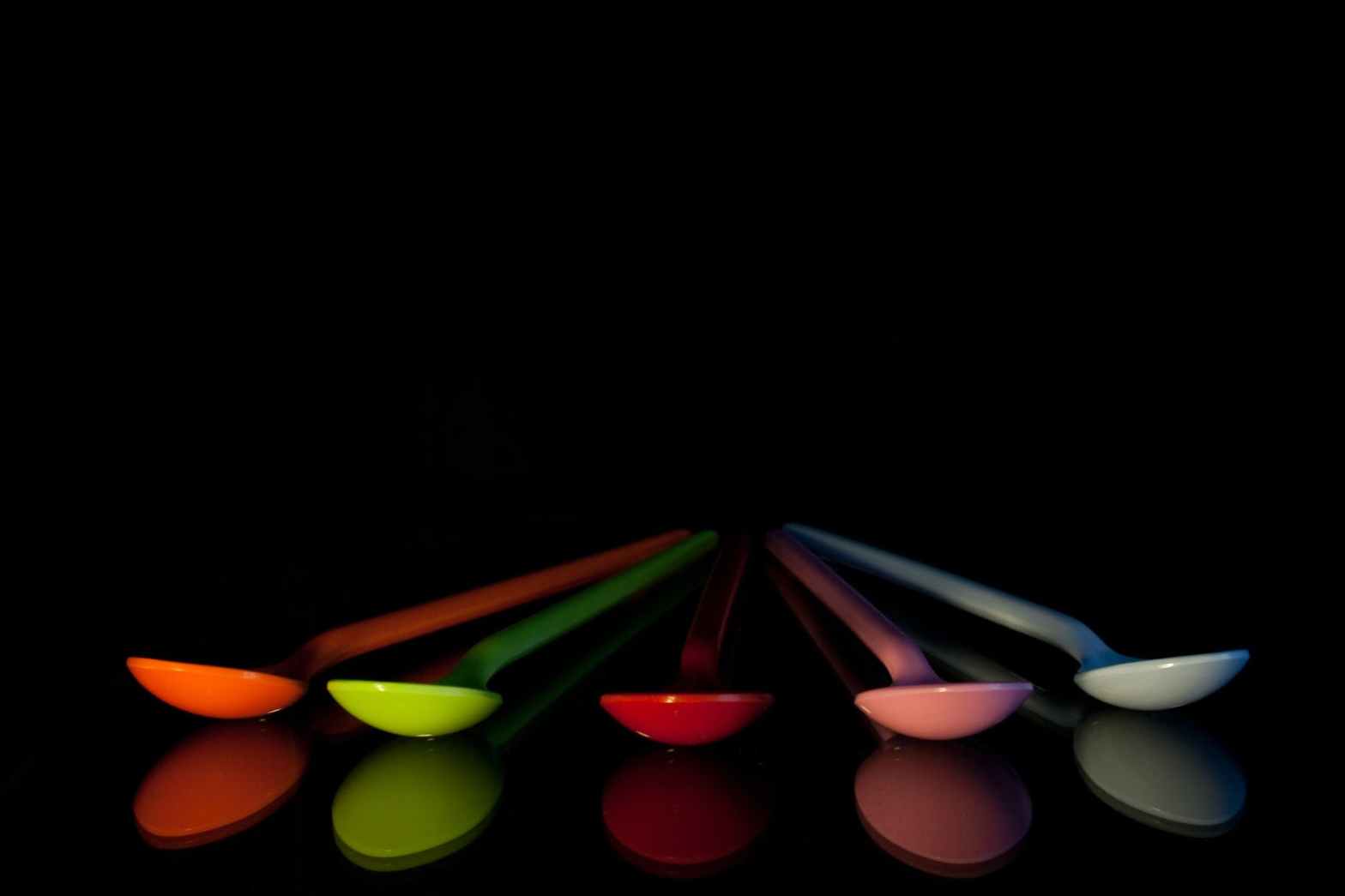
I’ve been looking into other ways to help support me further, and a theory that has been developed to help explain energy usage is the ‘spoon theory’ . The spoon is the limited measurement of energy available to a person with a chronic condition, with a healthy person having unlimited spoons available, but someone like my fine self, will have a set limited amount of spoons each day. The number of spoons will vary dependent on the level of health I’m experiencing, but they will always be limited.

https://me-pedia.org/wiki/File:Spoon-theory.jpg

With this flare, I’ve been hitting about 5 spoons a day. It looks like this; get up – 1 spoon, watch TV – 1 spoon, make and eat a meal – 3 spoons. Total 5 spoons. Thankfully I’m now a week through the flare and it’s subsiding.

However, this is what I find a struggle to explain to people, is the sacrifices that need to be made to allow me to work full time. The spoon theory will forever be my go-to know, to explain it to those who have unlimited spoons!

Thinking about your energy levels, how many spoons do you think is your base rate?

Do you feel rested after a goodnight’s sleep?

Have you ever felt you’re functioning at 100% energy?

Let me know in the comments!

I think that will do it for now with today’s ramble. Actually, I’ve written this over five days. Usually, I can write a blog in an hour tops, but with the flare, and the mental and cognitive dysfunction that come with it, I’m just glad I’ve made it to the end of this one.
Sending love to everyone.

This has been a SmartPonders.
Thanks for reading!

Steph x

Communication: How to end Sons of Anarchy before it begins.

We’re taking a little change in direction with today’s blog. It’s a short and punchy ponder!

I’ve been having a lot of down-time lately. Between the stresses of work, managing a chronic health condition, and the continual fight against catastrophising, I’m making more of an effort than ever to take time out to do very little. At the moment that looks like binge watching Sons of Anarchy and shouting at the characters I dislike on the screen.

Something I’ve noticed from the show though has brought me to this ponder. The majority of the issues they face in the show could be solved by talking to one and other… Now, I know what some of you will say, ‘Steph, it’s just a show.’ or ‘all good drama needs conflict.’ You’d be right, but that’s not going to stop me here.

For those of you not familiar with the show, it follows the antics of a motorcycle club based out of a small town called Charming in North California. There’s crime, there’s adultery, there is conflict at every turn. There are drugs, guns and turf wars galore. Plus, pretty motorbikes. The general premise of the club is that it’s your family. You fight for it, and you’re loyal to the end. If you’re caught not being loyal, you’re killed. It’s all very dramatic. Ade and I are currently in season three, and the situation isn’t looking great for the club or the main characters. What has struck me though, is how much easier all the problems they are faced with would be, if they just spoke to each other and took accountability for their actions. As we all know, actions have consequences.

I should point out that I have not seen all seven seasons all the way through, Ade has. I should also preface that the following will contain spoilers. If you want Sons of Anarchy to remain spoiler free, I suggest you leave this blog for another day.

Example 1.
Character Opie.
He’s a dish in my humble opinion. However, here’s the situation. He has recently gotten married to a porn star – Lyla. He’s not happy about the porn part, but he ‘loves’ her. They haven’t been married that long, and when he finds birth control pills, he goes off on one, and naturally, sleeps with the next woman available. Don’t get me wrong. I love Opie’s as a character but man oh man, sort your life out. You know how??? Speak to your wife. Have a conversation where you establish that you want a baby. Although I’ll be honest, he then goes on to say to his bestie that he doesn’t even want a baby with her, so I’m not sure what the whole problem is then. BUT what I do know, is that if Opie actually spoke with Lyla the whole mess would have been avoided.

Example 2.
Character Tara.
Tara is the resident doctor character. Her and protagonist Jax were childhood sweethearts only for her to break his heart, move to Chicago, get a medical degree, and return to Charming into his ‘somewhat’ loving arms.
Tara has recently come into possession of a number of letters from Jax’s dead dad to his Belfast lover that basically uncovers Jax’s mother and stepfather to have played a large part in Jax’s father’s death. Now, Tara knows all this information, and is aware that others know that she knows. And yet, has she spoken to Jax about it? No. It’s really no wonder no one trusts each other, because they are all too busy hiding secrets! I’m not sure how all this is going to play out yet, so I’ll report back later, but pretty sure if she’d just give Jax the letters, as they were intended to get to him in the first place, crisis averted.

Example 3.
Character Jax.
Urgh, where to start. I’ll fix with the current secret he’s hiding. He has an agreement in place with Clay (president of the biker club and stepdad) that if he supports Clay in drug-muling, he’ll let Jax out of the club when Clay steps down as president. Why is this even being withheld from Tara? The number of times Tara and Jax converse where they agree to tell each other everything could easily be made into a drinking game by now. *rolls eyes*. You know what’s better than communication…? TRANSPARENT AND HONEST communication.

Anyway, whilst Ade and I both own motorcycles, and have had experience of being part of a club – which is nothing like Sons of Anarchy to the point that many a Motorcycle Club has expressed distain for the show, it did get me thinking about communication. Why is it so hard?

This is likely to lead into a part two when I dig deeper into the challenges, pitfalls and barriers that prevent communication. But for now, I’d love to know your thoughts on communication, as well as your thoughts on Sons of Anarchy if you’ve seen it. Despite what my ranting may lead you to believe, I’m totally hooked, and I love it! Thankfully the writers opted not to use communication in their storylines, because let’s face it, it would make for a very short run of seasons!

Have you had challenges with communication in the past?

What do you think made communication so difficult?

Do you think your communication has improved over time?

Let me know in the comments.

The next blog will share my own thoughts and experiences around communication and hopefully provide some tools to use on how we can improve these skills in the future.

For now, the Sons of Anarchy rant is over.

This has been a SmartPonders.
Thanks for reading!
Steph x

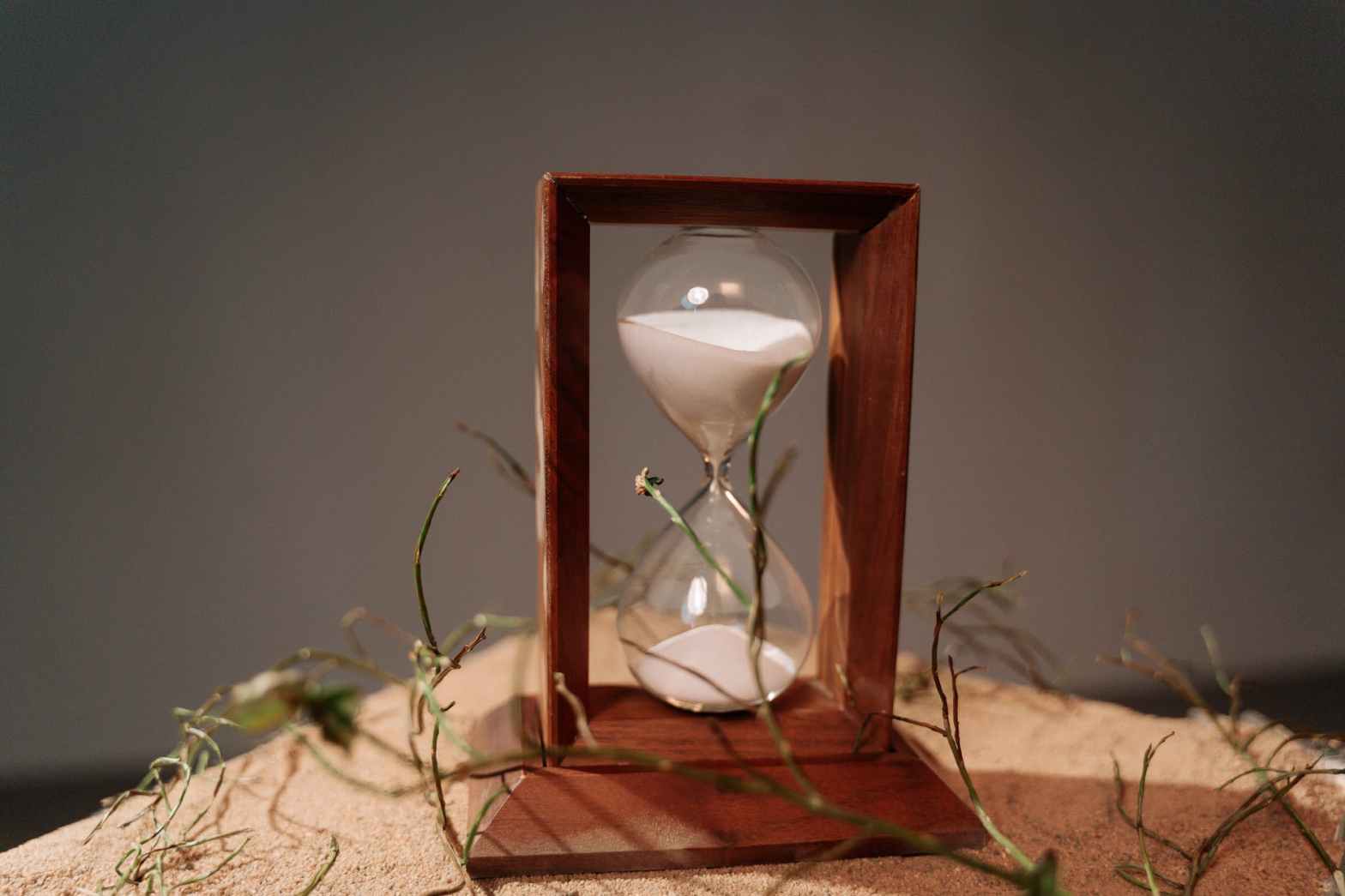
Time: not enough and passing by.

Today’s ponder is all about time. The only commodity that money can’t buy. The moments when we think we have all the time in the world, versus the moments when there is never enough of it. As I’m getting older, and somewhat wiser, I’ve been thinking a lot about time and mortality. Don’t worry the blog isn’t a heavy one, more of a whimsical ramble.

I remember having a conversation with a colleague a while back. I said to him it’s funny how quickly the week days pass, before you know it it’s the weekend, for you to blink and then you’re back to Monday. We laughed, but he said something I found quite profound. I’ll get to that though.

Thinking back to when I was a child time seemed to be this endless thing that held up all the exciting things I wanted to do. Example one. On the weekend, waiting for a friend to arrive and it seemingly taking forever. Example two, a friend being round to play for an hour, but that hour feeling like it lasted so much longer than an hour today. It comes down to the perspective of time.

Going back to my colleague, he said something to the effect of “of course time goes faster now you’re older. It’s because it one hour of your life when you’re ten is a larger percentage from your overall lifetime, in comparison to an hour now that you’re older.”

Let me break it down.

One year has 8,760 hours.
At the age of ten, I’d lived 87,600 hours.

This means that one hour is equal to 0.001% of my total life as a ten-year-old.

That would make one week, which is 168hours, 0.2% of my ten-year life.

In turn making one year, 10%.

Now that I’m thirty-three, I’ve lived 289,080 hours.

One hour is now 0.0003% of my life.

Thinking about what one week, it is now 0.05% of my life so far.

With one year now being 3% of my life now.

See??

Maths. Numbers. Ouchie brain. Points still stand. My Maths teacher Mrs Armstrong would be so proud.

As we live longer, one hour, one week and one year etc, becomes less time relative to the longer we live. This means that as we get older, we will feel like we have less time!

I would like to point out, that had you said to me I’d be writing a blog with maths in it, I’d have laughed in your face. Maths is not a strong point of mine, and I kid you not, I had to speak this blog aloud to Ade, and use google to check the percentages before I posted, to make sure it all made sense. Not going to lie. I’m proud of me!!

What things make you feel that time slows down, and what things make you feel like time is against you?

Post a comment.

Anyway, back to time… the other thing I find fascinating about time, is how our perception of it can change. For example, when you have one minute left of doing a plank, versus one minute left to submit an assignment. You have one minute in both, and yet one (in my experience anyway) feels vastly different from the other. Or there is the losing track of time. Those occasions when you’re so immersed and focused in what you’re doing that time has passed so quickly you didn’t even realise. There is actually a name for this: Flow which comes from the Theory of Optimal Experience by Mihaly Csikszentmihalyi.  The premise of his theory is the idea that the body and mind are so aligned to the thing you’re doing that you lose track of time or experience what can be described as ‘being in the zone’. The complete immersion in the task or activity.

It’s all fascinating! I’m sure you’ll be aware by now, I’m reading a lot of things and my brain is always whirring away. It’s about empowering myself and others. I’m looking into taking control of what I can, improving where I can, and sharing the experiences along the way! My goodness it’s a steep learning curve, and that in and of itself can be overwhelming, but I’m not letting that put me off.

As someone who regularly feels like there isn’t enough time, it’s been interesting to start to unpick why that feels that way.

Have you ever experienced ‘flow’?

What were you doing when you experienced it?

Let me know!

There you have it. Some peaceful ponderings around time. I have no doubt it will be a topic that returns in the future.

This has been a SmartPonders.
Thanks for reading!

Steph x